Low-Acid Salmon Seasonings: 5 Easy Flavor Ideas
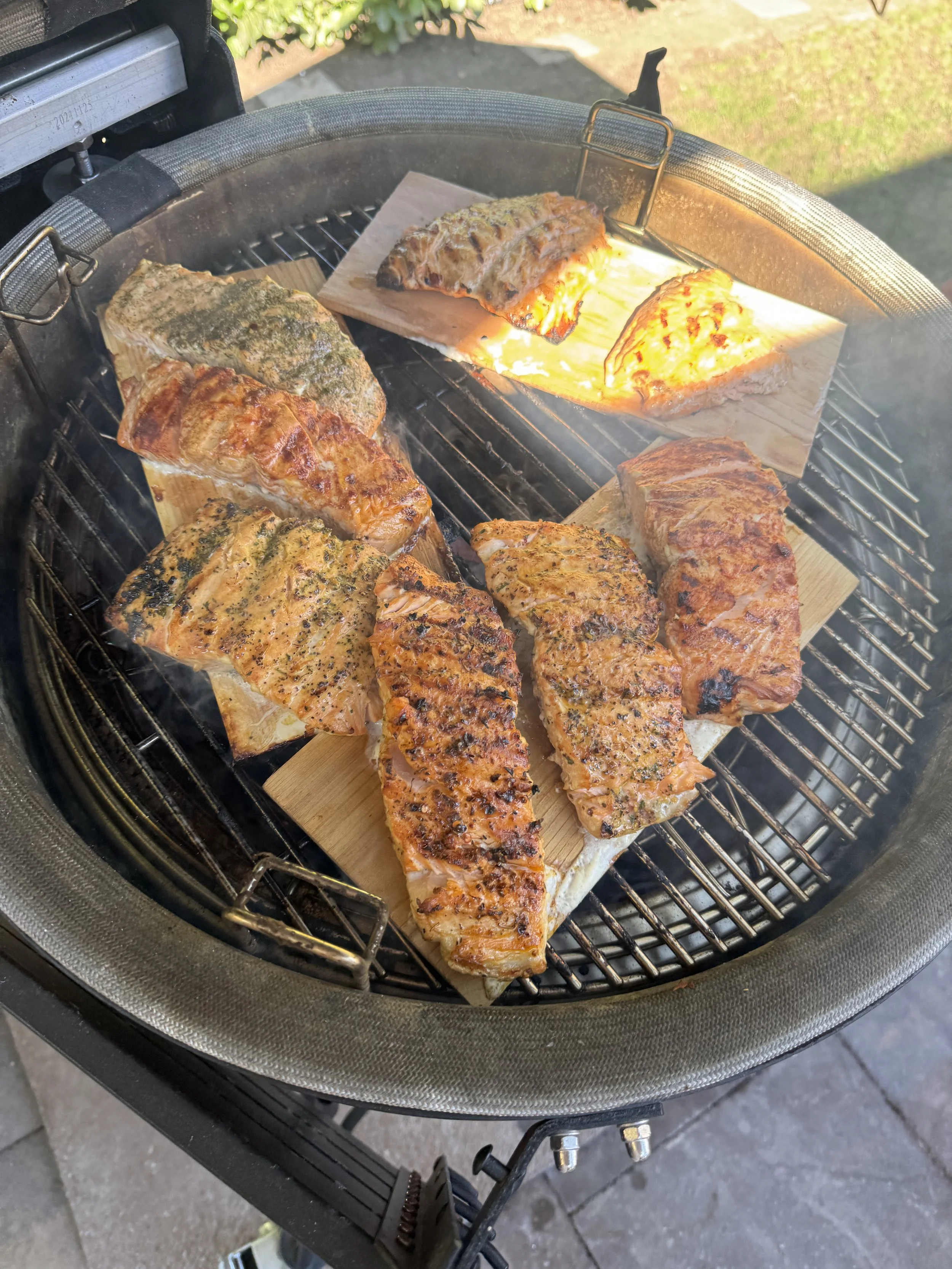
Ok, here’s a little confession. It’s only within the last couple of years that I’ve actually started to enjoy eating salmon. WILD, right? In all honestly this new found desire to eat salmon has made me feel more connected and appreciate being from the Pacific Northwest.
PNW & Salmon
Growing up in the Pacific Northwest, salmon were a cornerstone of our ecosystem, culture, and economy. For thousands of years, they’ve been central to the lives of local indigenous communities.
I’m always taken aback when I meet people who didn’t grow up here and haven’t learned about the salmon lifecycle. During elementary school winters, we’d raise salmon eggs in an aquarium in the school entrance, and in spring, we’d take field trips to release the fry (baby salmon) into local streams.
It’s clear that salmon have a profound connection with people, nature, and the rich cultural heritage of the PNW.
Salmon season typically spans the summer months from June to September. My personal favorite is King Cooper River salmon from Alaska, which starts appearing in late May.
Benefits of Salmon on a Low-Acid Diet & Omega 3’s:
Salmon is a perfect protein option on a low-acid diet. It’s not acidic, high in healthy fats like omega-3’s, easy to digest, and high in many important nutrients like vitamin D and b vitamins.
Omega-3 fatty acids, specifically EPA & DHA are found in fish and seafood. Both are known to offer significant health benefits due to their many physiological processes in the body.
Heart Health: EPA & DHA lower inflammation in the body and reduce chance of heart disease. Lower triglycerides, a type of fat found in blood, and reduce blood pressure. They do this by modifying activity of enzymes of lipid metabolism, reducing production of triglycerides.
Brain Health: DHA is a major structural component of the brain and retina, helps with memory and learning, and protects against neurodegenerative diseases like Alzheimers. DHA is part of a neuron cell, which affects function and influence neurotransmitters and cell signaling.
Anti-Inflammatory: EPA helps manage chronic inflammation by, converting EPA into anti-inflammatory molecules called resolvins and protectins. These help regulate the inflammatory response and promote tissue repair to help reduce symptoms.
Mental Health: EPA & DHA help with mood regulation by affecting the production and function of serotonin and dopamine.
Favorite Seasonings
Here are a few of my favorite low-acid seasonings I like to use on salmon.
Zesty
Seasonings: paprika, maple syrup (or maple sugar), lime juice*, lime zest & sea salt.
Tasting Notes: Paprika adds a sweet taste with a bit of zing. The maple adds a warm, caramel-like sweetness with notes of vanilla and wood. Lime zest provides a refreshing burst of citrus flavor.
Recommended Prep: BBQ
Serve with: coconut rice and roasted za’atar broccolini
Herbal
Seasonings: dill, oregano, thyme, parsley, & sea salt.
Tasting Notes:Thyme offers an earthy depth with a hint of lemony brightness, while dill, a classic complement to salmon, brings a fresh and subtly sweet flavor. Parsley contributes a vibrant, fresh note, and oregano enhances the dish with its rich, earthy undertones and a touch of peppery bitterness.
Recommended Prep: Baked
Serve with: brown or green lentils and asparagus
Umami
Seasonings: coconut aminos, maple syrup (or maple sugar), lime juice*, lime zest, grated fresh ginger (or dried ground ginger), and sea salt.
Tasting Notes: coconut aminos adds the rich umami taste with a hint of coconut sweetness, while the maple adds a warm vanilla taste. Lime gives the good burst of citrus flavor and fresh ginger adds more of a spice note.
Recommended Prep: Pan seared
Serve with: rice noodles and sautéed sesame seed kale
Earthy
Cumin, coriander, lemon juice*, lemon zest, and sea salt.
Tasting Notes:Coriander gives a mild, citrusy flavor and pairs really well with the cumin that gives an earthy flavor. Add in the lemon juice/zest for a bright citrus flavor.
Recommended Prep: Broiled
Serve with: whole wheat couscous, tzatziki, and roasted zucchini squash
* The acidity of the lime/lemon juice is neutralized by the meat and cooking process. Omit, if it’s a trigger for you.
Farmed VS Wild
I’m no expert, but my personal opinion, I feel like whatever salmon you manage to get is going to be better for you than anything you’d eat processed.