Ducks vs. Chickens: 8 Things I’ve Learned Raising Both in the Pacific Northwest
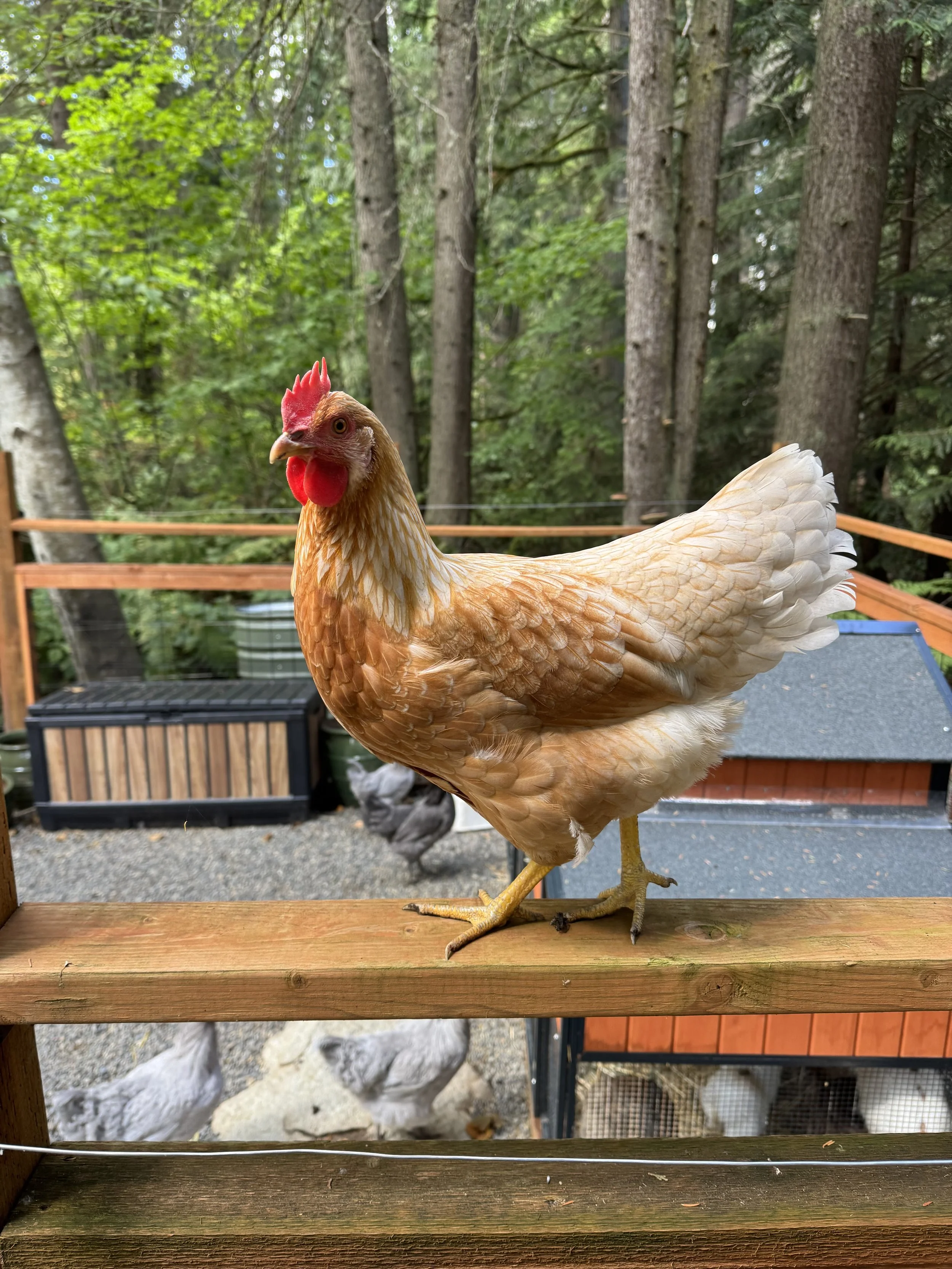
The mini synopsis of this story is, I started with six ducks, ended up with zero, and somehow now have ten chickens living in my backyard.
I’ve also spent approximately my life savings in pursuit of eggs. So, financially, things are going great.
As many of you know, most things I do eventually circle back to food. For years, that mostly meant figuring out how to make really good food while living a lower-acid lifestyle. But over time, I started caring just as much about where that food actually comes from. Now I spend an absurd amount of time driving around Washington buying my groceries from local farms, trying to grow some of our own food, and generally overthinking what ends up on our table.
Which brings me to eggs.
I avoid corn and soy because, through a lot of trial and error, I’ve found that I feel better without them. And once you start paying this much attention to your food, apparently you also start paying attention to what your food ate.
That’s how I found myself paying around $10 a dozen for eggs from hens fed a corn and soy-free diet at my local co-op.
So naturally, I decided the obvious solution was to raise our own. It wasn’t just about saving money on eggs. I wanted to know exactly what the birds were eating, the ability to have incredibly fresh eggs right in our backyard, and also show my daughter a little more about where our food actually comes from.
Newsflash, this was NOT the more economical solution.
There’s so much that goes into keeping backyard birds. The coop, run, feeders, waterers, bedding, feed, treats, electric fencing, not to mention the labor, and I’m sure the handful of other expenses I’m missing. And at this point, I refuse to calculate the cost per egg.
After raising ducks and chickens in Western Washington, here are eight things I've learned along the way.
ONE: Ducks Are Disgusting
I truly did enjoy having ducks, but they are actually THE messiest little creatures on planet Earth.
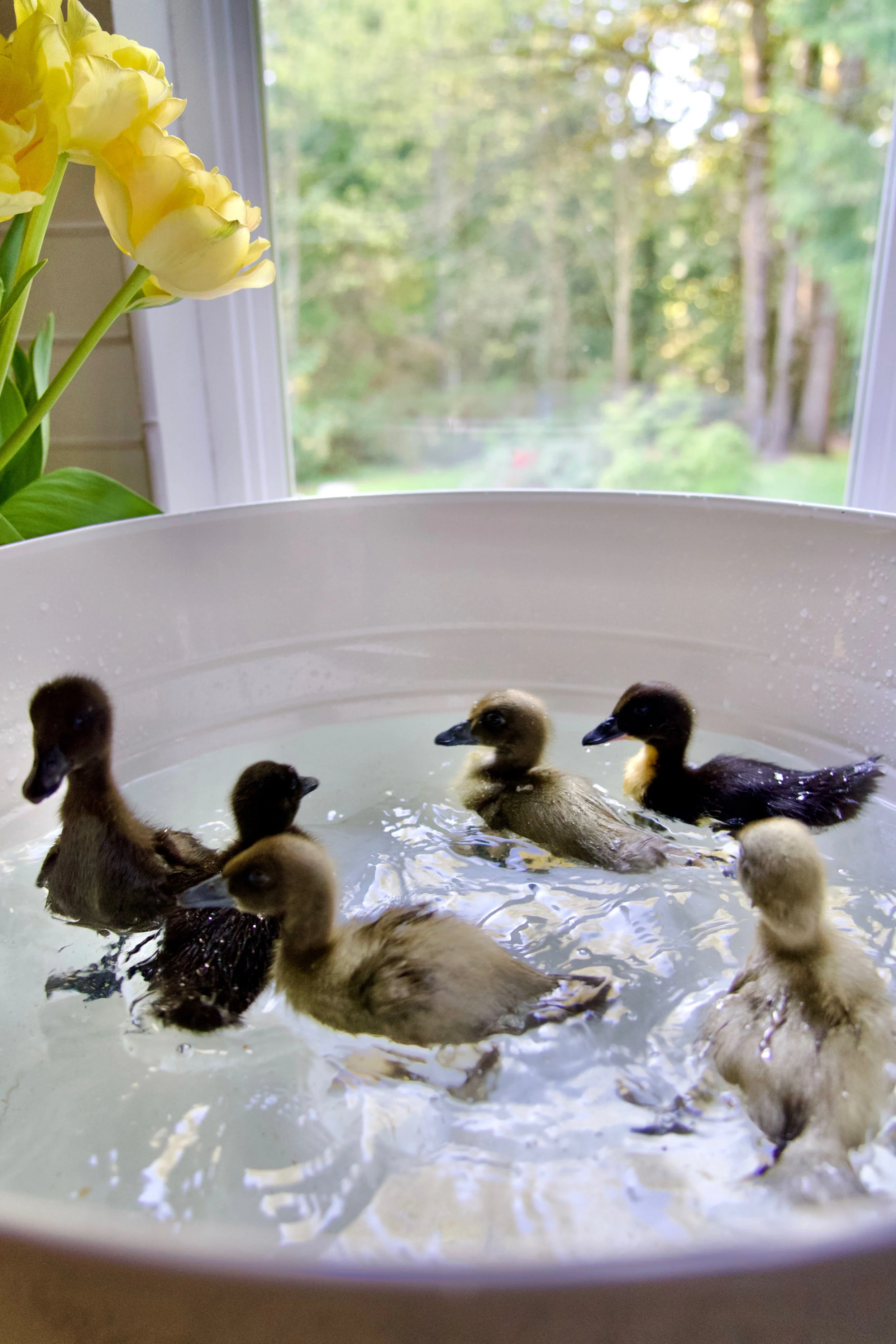
I was told by a friend that ducks are messy, but I only realized what they meant when I saw six ducklings take a perfectly clean bowl of water and turn it into something that resembled a science experiment that had gone wrong within about three seconds flat.
They jump in it, throw dirt into it, put food into it, and frequently defecated. If you add six ducks to a winter in Western Washington then your backyard becomes eligible for wetland status by the county.
Chickens aren’t exactly clean animals. They scratch around in the dirt, poop often, and even purposely roll around in dust. It’s called dust bathing, and ironically, it’s one of the ways they keep themselves clean by maintaining their feathers and getting rid of parasites
But honestly, in comparison after ducks, chickens seem really really really tidy. Their bedding actually stays dry and their water still looks like clear clean water.
TWO: Personality Differences
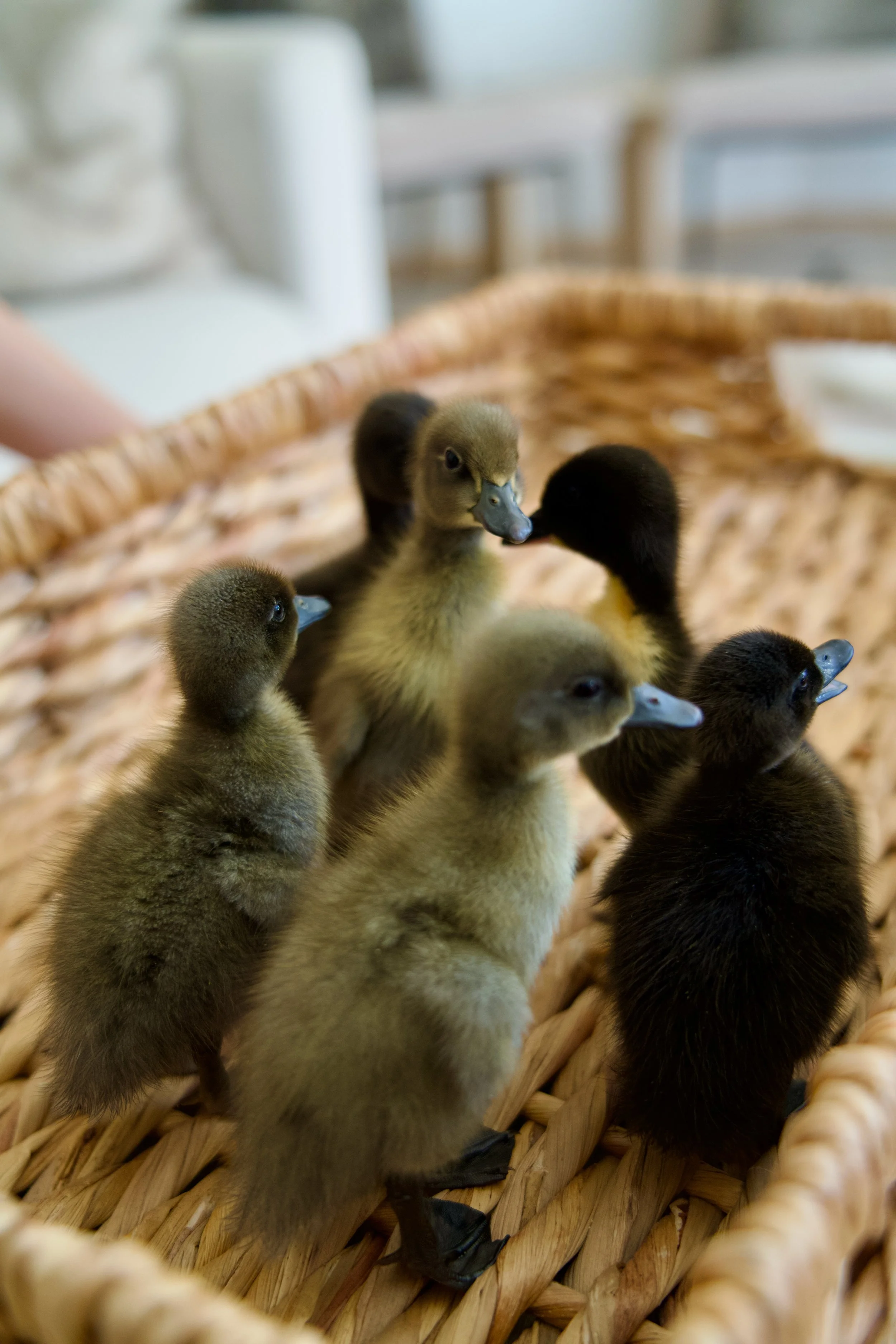
Our runner ducks always seemed to operate as a tiny gang. As soon as one duck moved, all others moved too. If one of them panicked, the whole group would suddenly start running around the yard. They were full of so much character and they very much felt like a unified flock.
In my experience, chickens have been completely different. They each have individual personalities and opinions about everything. Some are brave, some are extremely suspicious, some want to follow us around and supervise everything we do, some want to peck at us, and others would really prefer if we just admired them from across the yard.
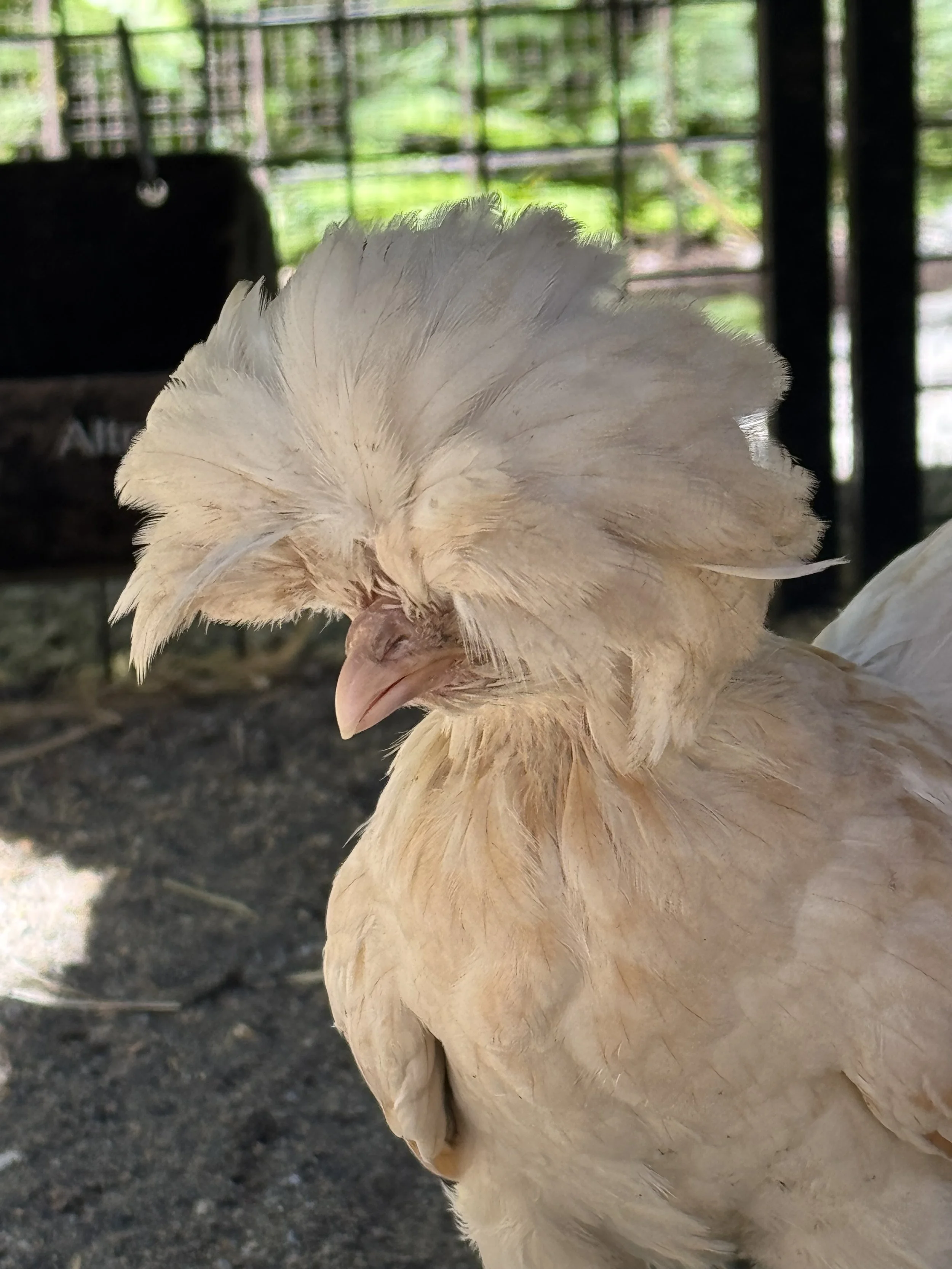
Also, I did not realize how invested I would become in chicken politics. "Pecking order" is a very real thing. There is an entire social hierarchy happening and the more time you spend with them, the more you become aware of who is in charge, who isn't', who gets pushed out of the way, and who has somehow decided she should be involved in everything you’re doing. Meat Girl, our oddest-looking hen with a ridiculous little frilly head, currently appears to be running the entire operation.
THREE: In the Pacific Northwest, keeping things dry is half the battle
Ducks might be one of the only animals that actually enjoy a western Washington winter.
Our runner ducks truly did not care what the weather was doing. Rain, mud, cold gray mornings, they loved it all! If anything, the wetter it was outside, the happier they seemed.
Ducks have a preen gland near the base of their tail that produces oil they spread over their feathers while grooming, helping keep their outer feathers water-resistant. They basically come with their own rain jacket, which is just so cool. They basically have a layer of Gore-Tex.
On the other hand, chickens are a little more particular about the weather. These chickens will venture out in the rain, but they’re definitely not out there playing it like the ducks. On especially wet days, they seem perfectly content to spend more time inside and wait for the worst of it to pass. And honestly, we'll see how their first true PNW fall and winter will go. I’ll report back.
That’s probably one of the biggest differences I’ve noticed between the two. Ducks seem to look at a rainy Western Washington day as ideal conditions, where the chickens mostly tolerate it.
FOUR: Pest Control
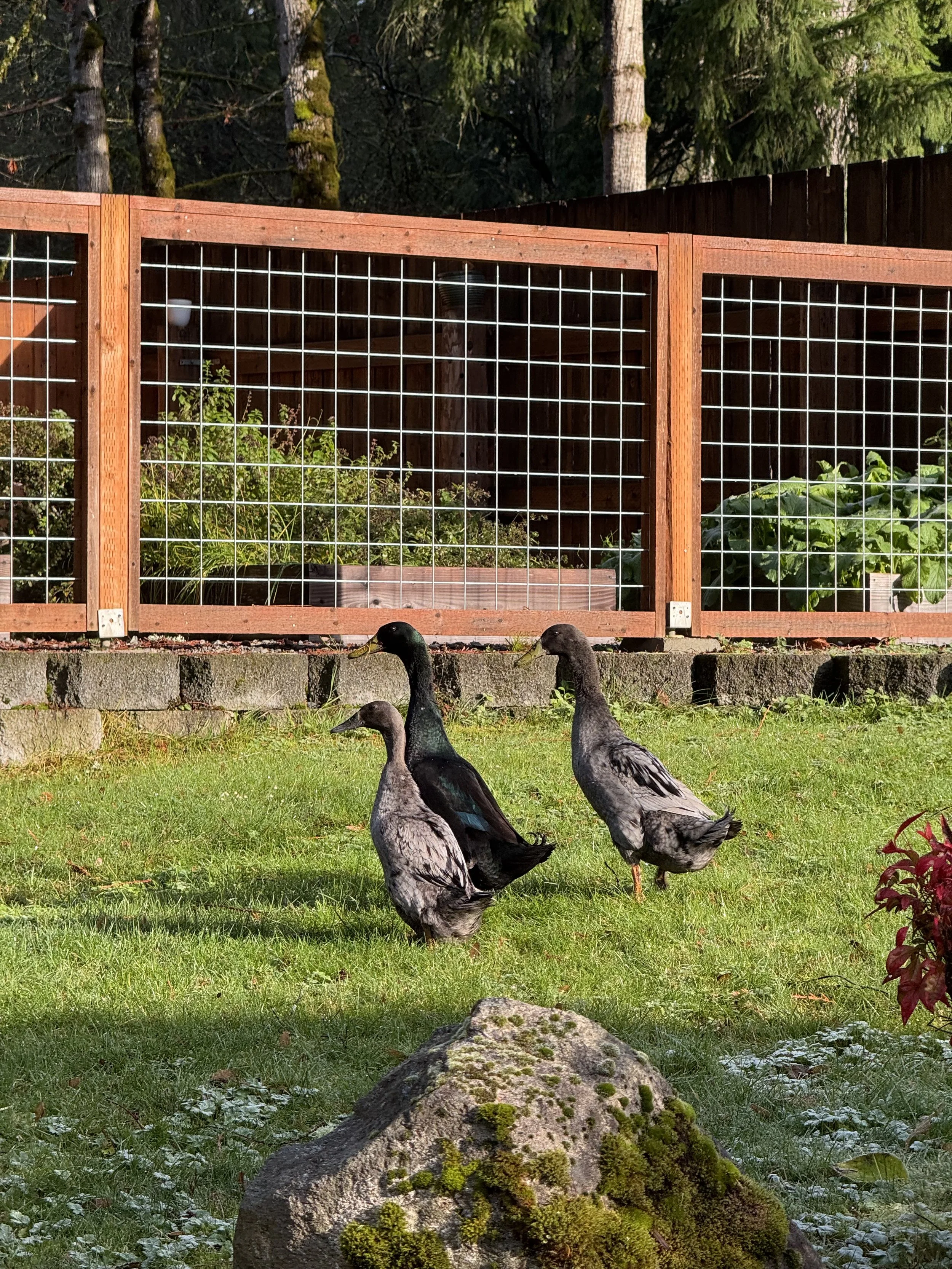
Anyone who has ever attempted to garden in Western Washington will surely be familiar with slugs.
The fact that we have cool and wet weather means that slugs have a perfect habitat, and they are capable of causing considerable damage to a garden in a single night. They love tender young plant growth and I have had more than one healthy seedling destroyed by slugs.
Unfortunately for the slugs, ducks love them.
Watching our runner ducks wander around the yard eating bugs and slugs was one of the few times I could convince myself that buying six ducks had actually been a practical decision. We have no shortage of slugs around here, and the ducks were more than happy to eat them.
FIVE: Chickens would be interested in completely redesigning your garden.
Chickens can be pretty useful in the garden too. They scratch through the dirt, eat bugs, and will happily tear through an area you actually want cleaned up. The problem is they have absolutely no idea which areas those are.
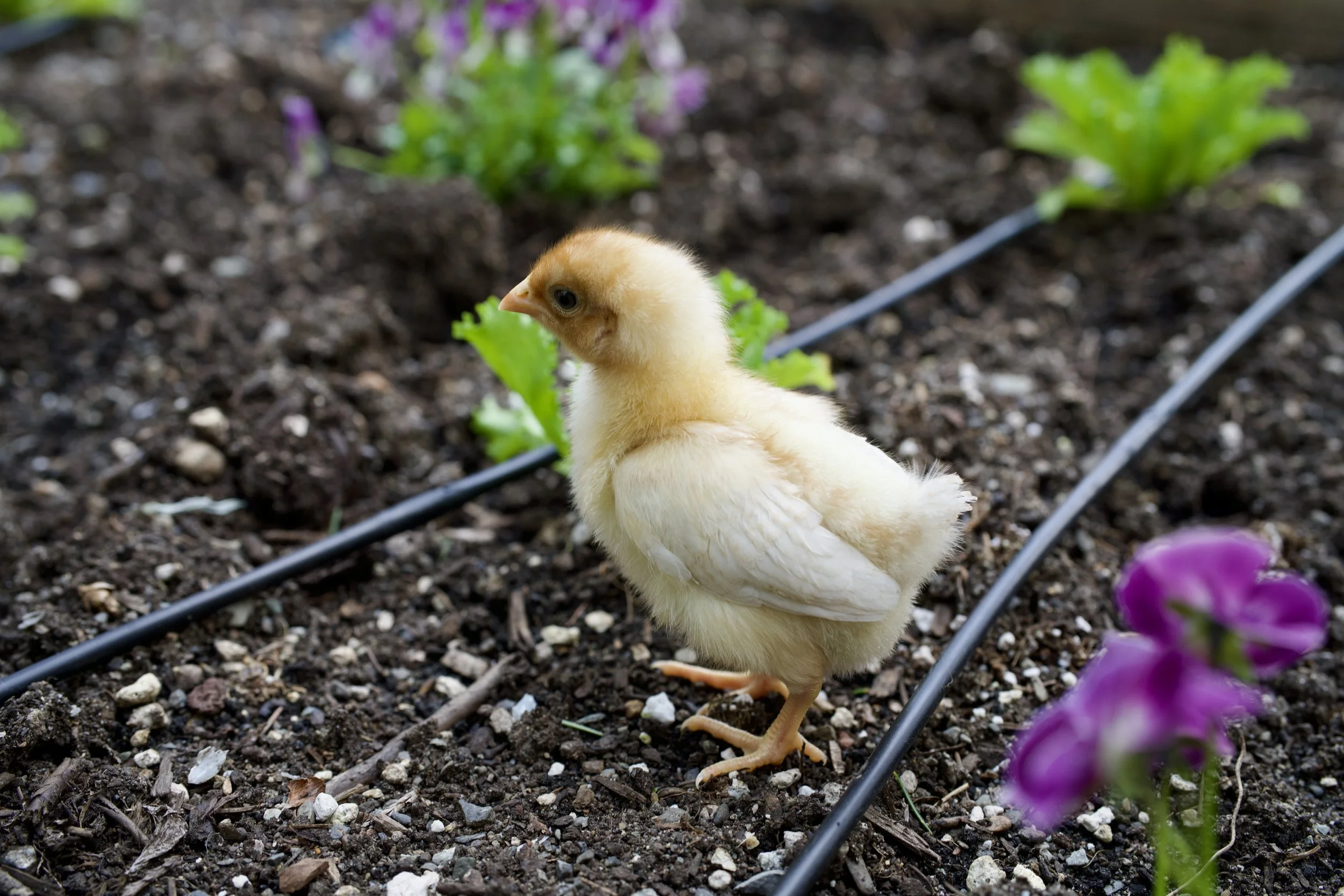
That tiny seedling growing? Gone. The mulch you just put down? Everywhere. Nothing is safe. In their coop, I planted a cute little herb garden in pots for them and it was gone within 32 seconds.
While I loved letting the ducks loose in the garden all the time, I don’t actually let the chicken loose in the garden very often, if at all. Sometime I do like having them scratch around certain areas when I’m done growing something or cleaning up for the season.
And I really love the little cycle we have going now between the poultry and garden. We grow some of our own food, eat it, give some of the scraps to the chickens, and they give us eggs. I’ve basically created my own tiny food system in the backyard. It’s small, a little chaotic, and definitely not saving us any money, but I love being able to see some of our food go from the backyard to our table.
SIX: Coop Set Up
Before I had both, I just assumed poultry was poultry, but let me tell you it is not.
Chickens want to get up off the ground at night, so I added sturdy sticks inside the coop for them to roost on and put the nesting boxes back in for when they start laying. Ducks are completely different. They sleep right on the ground, so when we had them, none of that was necessary. Give them dry bedding and plenty of ventilation and they’re pretty much good to go.
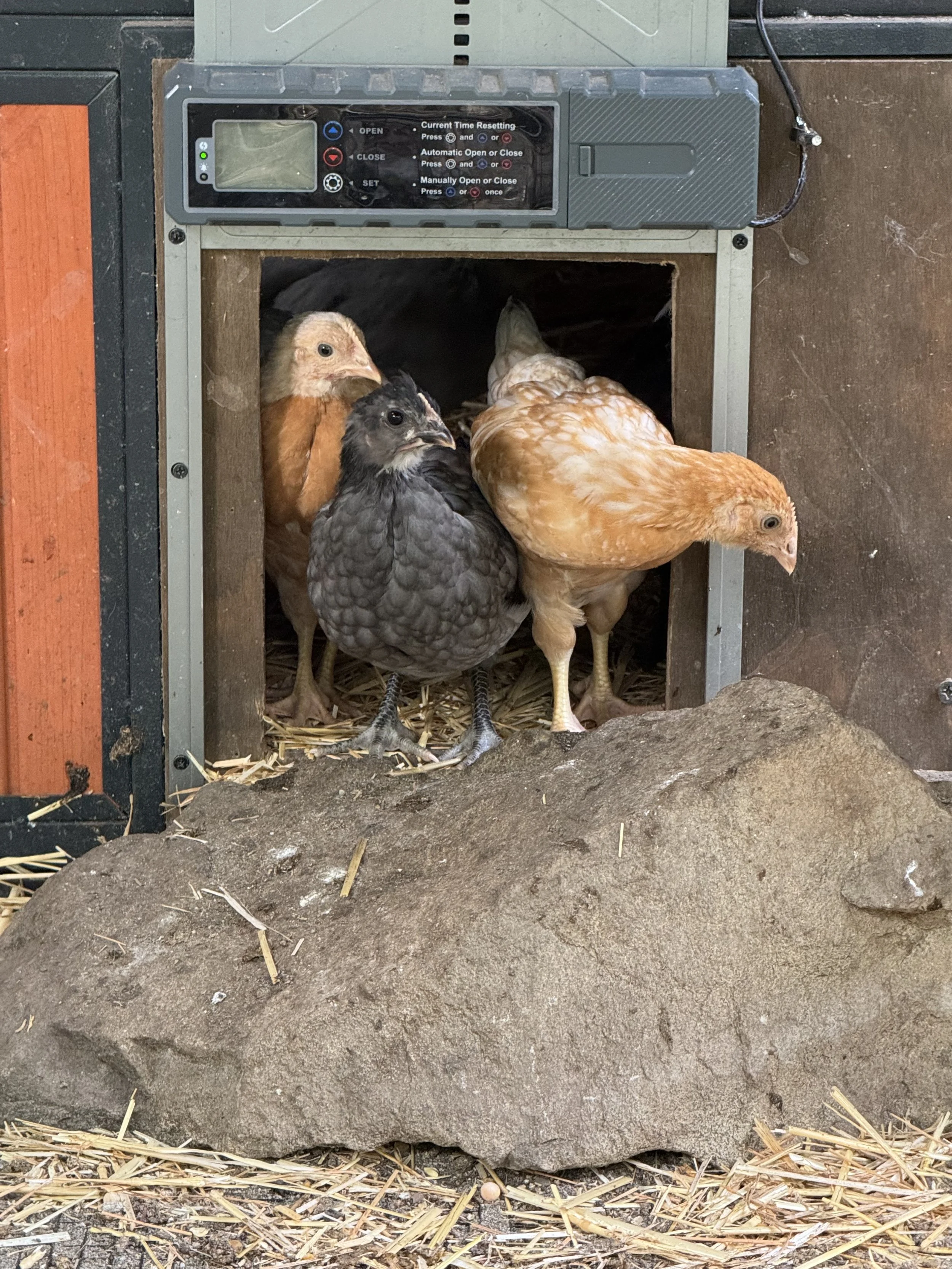
And then there’s the water situation.
Before getting ducks, I obviously knew they needed water, but I didn’t realize just how specific their water needs were. For example, their water needs to be deep enough for them to submerge their entire bills, and preferably their heads, so they can keep their eyes and nostrils clean. And beyond actually needing it, they just really LOVE water. And they just happen to be exceptionally talented at making the biggest possible mess. They splash in it, dunk their heads, and generally make a complete mess of it. They are waterfowl, after all!
SEVEN: RIP
This is clearly the section of looking after animals that isn't pleasant to discuss.
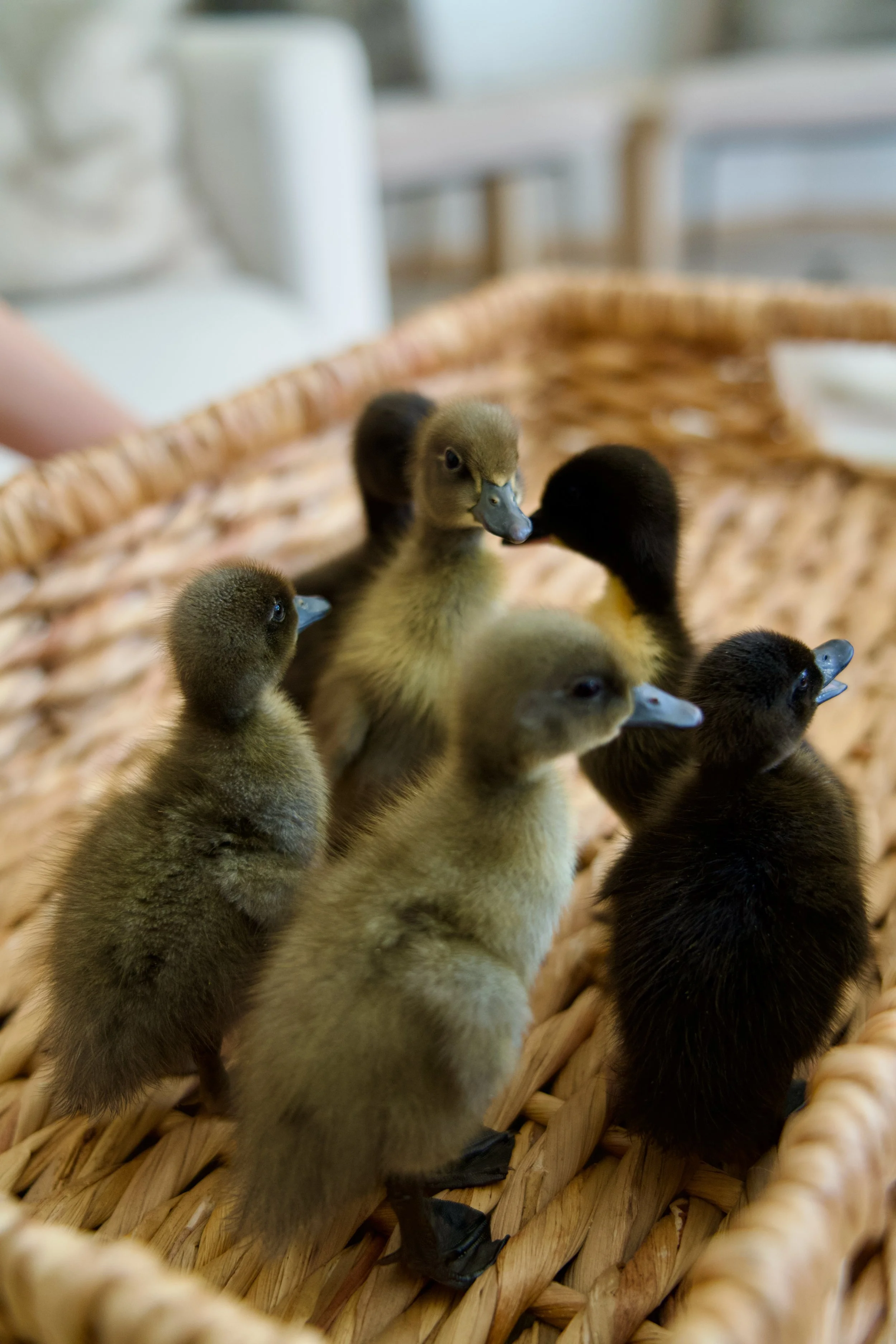
We had electric fencing around their main area of the duck coop, but we still let the ducks free range because they loved wandering around the yard looking for bugs and slugs. I knew there was some risk involved, but over time we lost them to a bobcat, a coyote, and, I’m pretty sure, eagles that took the last few all in one day.
After that, I really didn’t think I wanted to have backyard birds again. Apparently, though, two years was enough time for me to forget how hard losing them was, because spring rolled around, baby chicks showed up at the co-op, and, well......you know how that story ends.
This time I took a different approach. Although we still have electric fencing, the chickens now have a considerably larger enclosed area, which allows them to roam without having to free range as frequently. I am far more serious about predator protection, the arrangement during nighttime, and in general considering all the ways in which things could go wrong.
I still enjoy the idea of allowing the birds to roam about, but the loss of the ducks has shown me that there is always a compromise between freedom and safety. You can't eliminate all the risks associated with having animals, but at least you can make an effort to try and protect them as much as possible.
EIGHT: Chickens are far easier on a day-to-day basis.
This could well be the most significant difference I've observed as ducks require a rather considerable amount of daily care, and in every case this involves water, mud, or the need to clean up a mixture of the two.
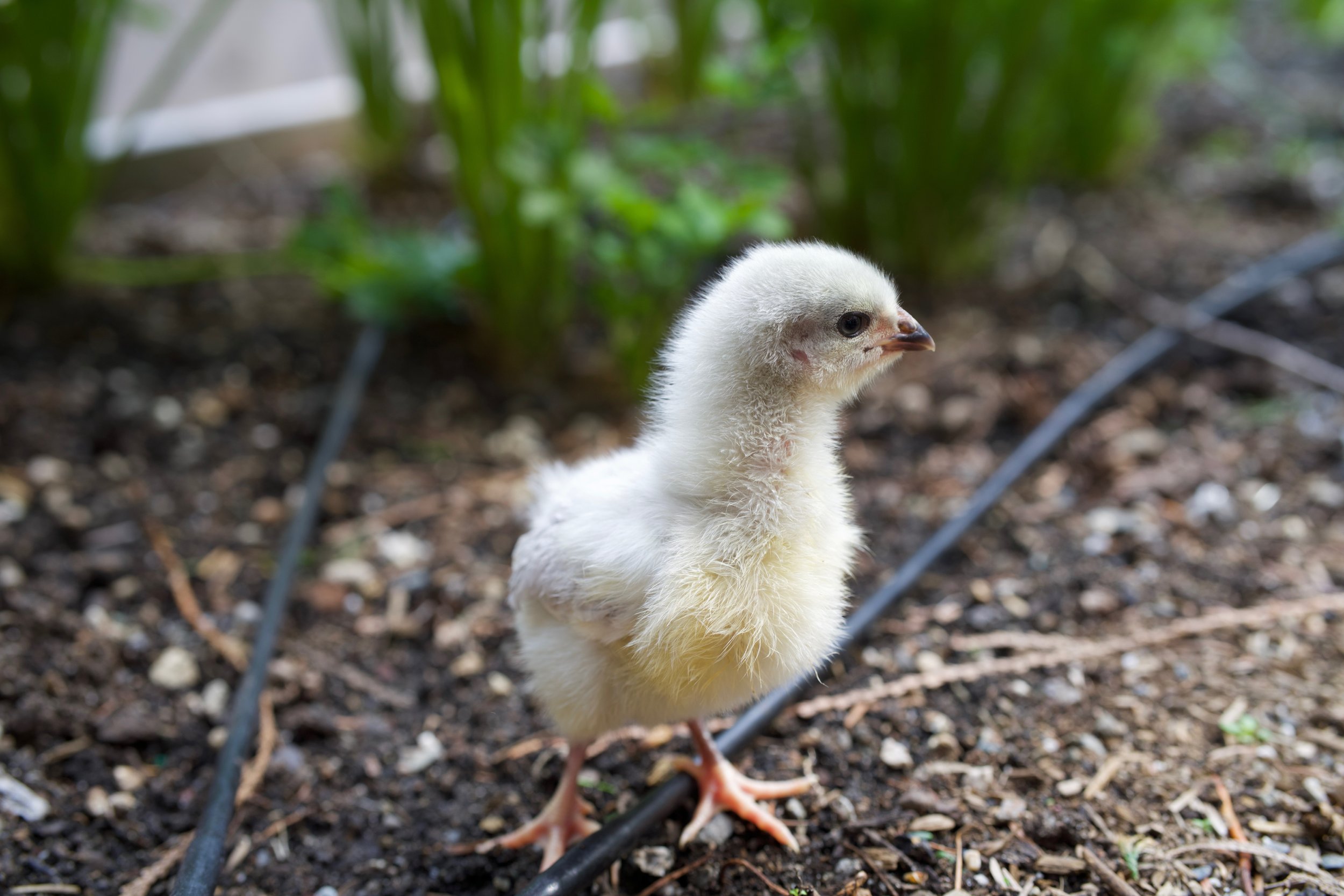
Chickens, on the other hand just feel so much easier to care for. You have to fill their feeder, check their water, glance at their bedding, and make sure they all get back in the coop before the automatic door closes.
Overall, their space stays so much cleaner and drier, and I just don’t feel like I’m constantly cleaning up after them.
So here we are currently with six ducks gone, ten chickens acquired, and a backyard setup that increasingly resembles a Jurassic Park enclosure.
Somewhere in all of this, I realized that the reason I like raising them has less to do with ducks versus chickens and more to do with food. Eating lower acid started with thinking about what I couldn’t eat, but eventually made me much more curious about what I was eating. Where did it come from? Who grew it? What did the animal producing it eat?
Apparently this is how you go from reading ingredient labels to owning ten chickens.
So, ducks or chickens? I’m choosing chickens.
I LOVED our runner ducks. They were hilarious, perfectly suited for the PNW, and excellent slug control. But chickens are easier for us, I love their weird little personalities, and then, of course, there are the eggs.
Now I can walk into the backyard and know exactly where our eggs came from and what the chickens that laid them ate. My daughter gets to see that too, which might be my favorite part.
Of course, ask me again next spring when the baby ducks show up at the feed store.
For now, if my math is even remotely close, the first egg from these chickens is going to set me back about $4,000.